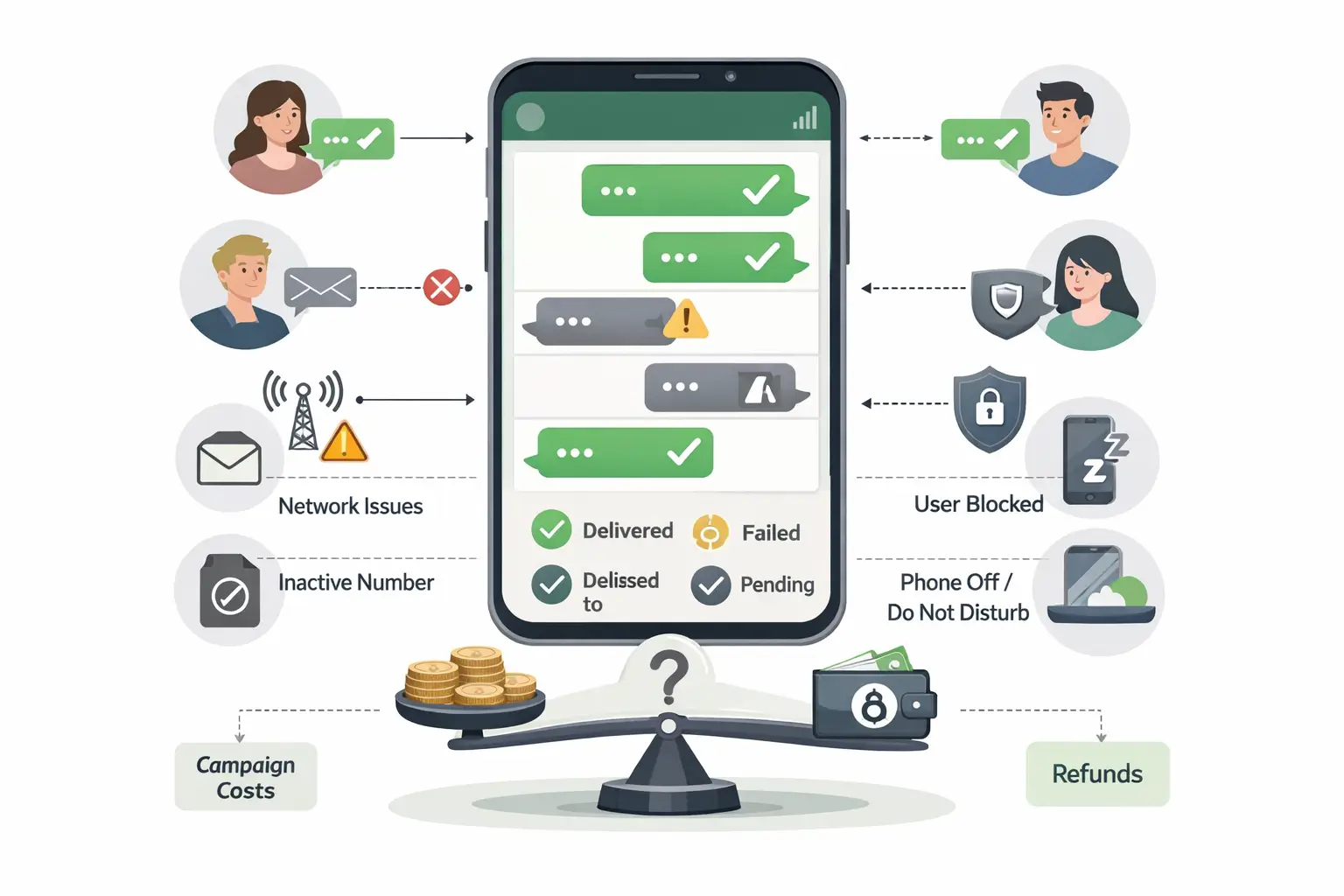
Why Refunds Are Not Always Possible in WhatsApp Campaigns
refunds in WhatsApp campaigns
One of the most common questions businesses ask before running a WhatsApp campaign is:
“If delivery is low, will I get a refund?”
It sounds like a fair question.
After all, businesses spend money expecting results.
But WhatsApp promotions do not work like SMS, email, or paid ads.
And because of this, refunds are not always possible.
This blog explains why refunds don’t always apply in WhatsApp campaigns, what many businesses misunderstand, and how to set the right expectations before launching a campaign.
The First Reality: WhatsApp Is Not Controlled by Campaign Providers
This is the most important point to understand.
In WhatsApp promotions:
-
WhatsApp controls delivery
-
WhatsApp controls blocking
-
WhatsApp controls user visibility
No campaign system, platform, or service provider has full control over WhatsApp’s internal decisions.
That is why:
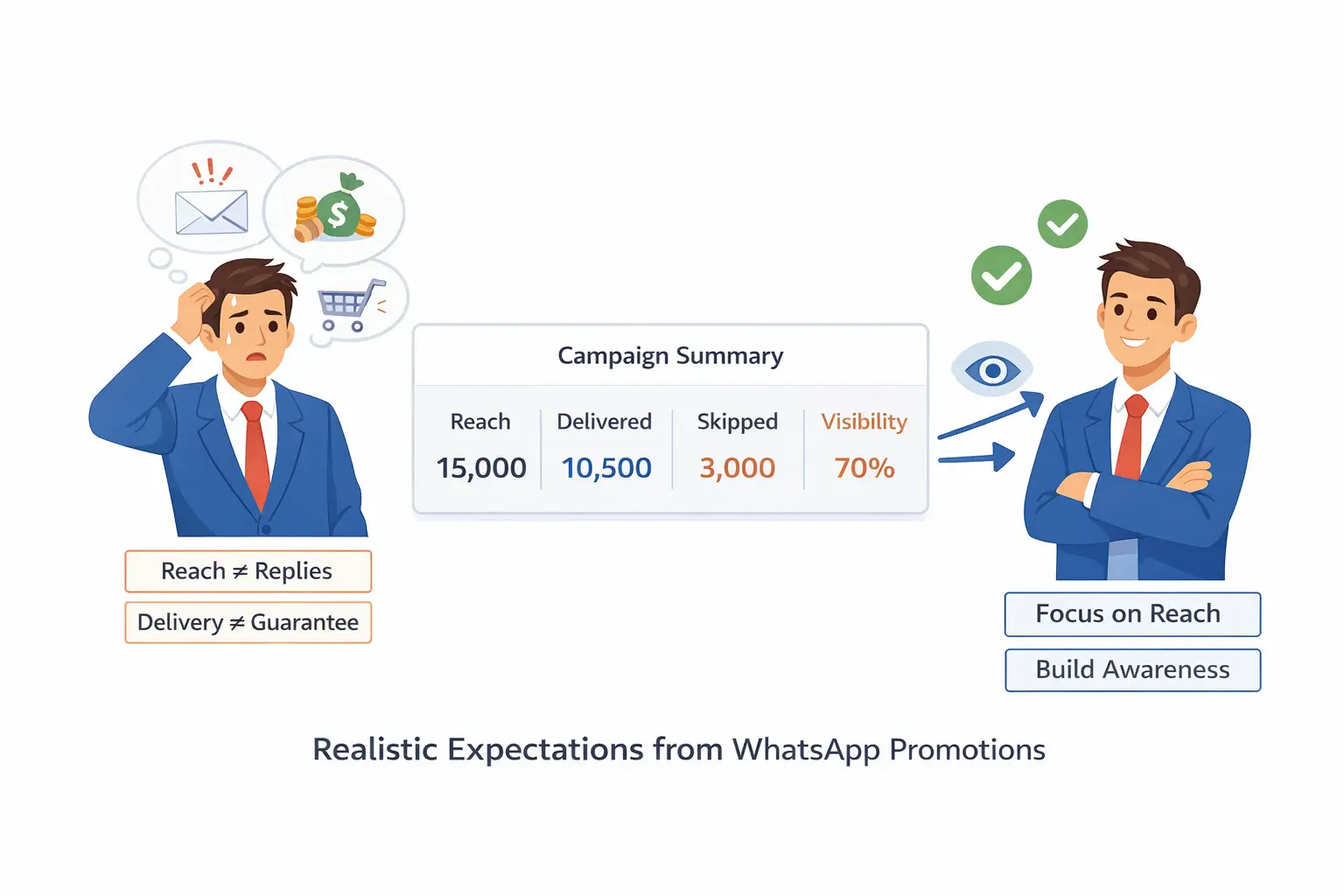
If delivery itself cannot be guaranteed, refunds based purely on delivery cannot always be guaranteed either.
Why Businesses Expect Refunds (And Why the Expectation Is Natural)
Most businesses come from backgrounds like:
-
SMS marketing
-
paid ads
-
email campaigns
In those channels:
-
delivery is controlled
-
impressions are measurable
-
refunds are often policy-based
So businesses naturally assume WhatsApp works the same way.
But WhatsApp is different.
How WhatsApp Actually Decides Delivery
WhatsApp looks at many signals before allowing messages to reach users, such as:
-
how fast messages are sent
-
how similar the content is
-
how users react (block, report, ignore)
-
whether sending patterns look promotional
This process is explained in detail in:
These decisions happen inside WhatsApp systems, not inside campaign tools.
Because of this, no provider can reverse delivery decisions or undo blocks.
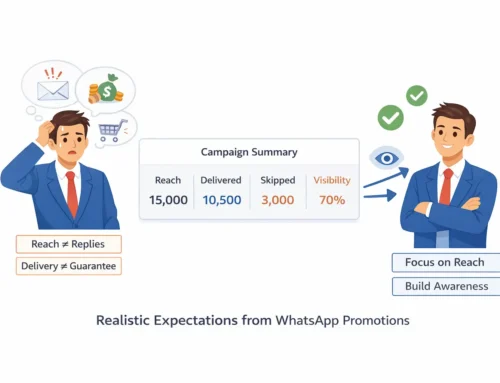
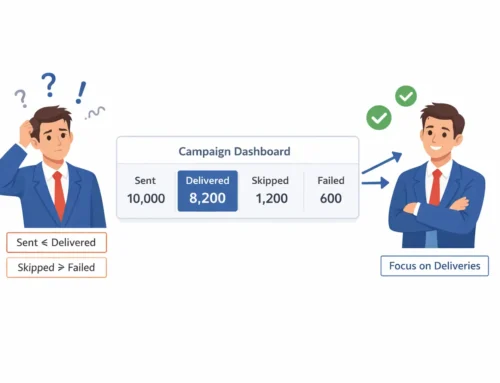
The Biggest Misunderstanding: “Low Delivery Means System Failure”
This is where most refund conflicts start.
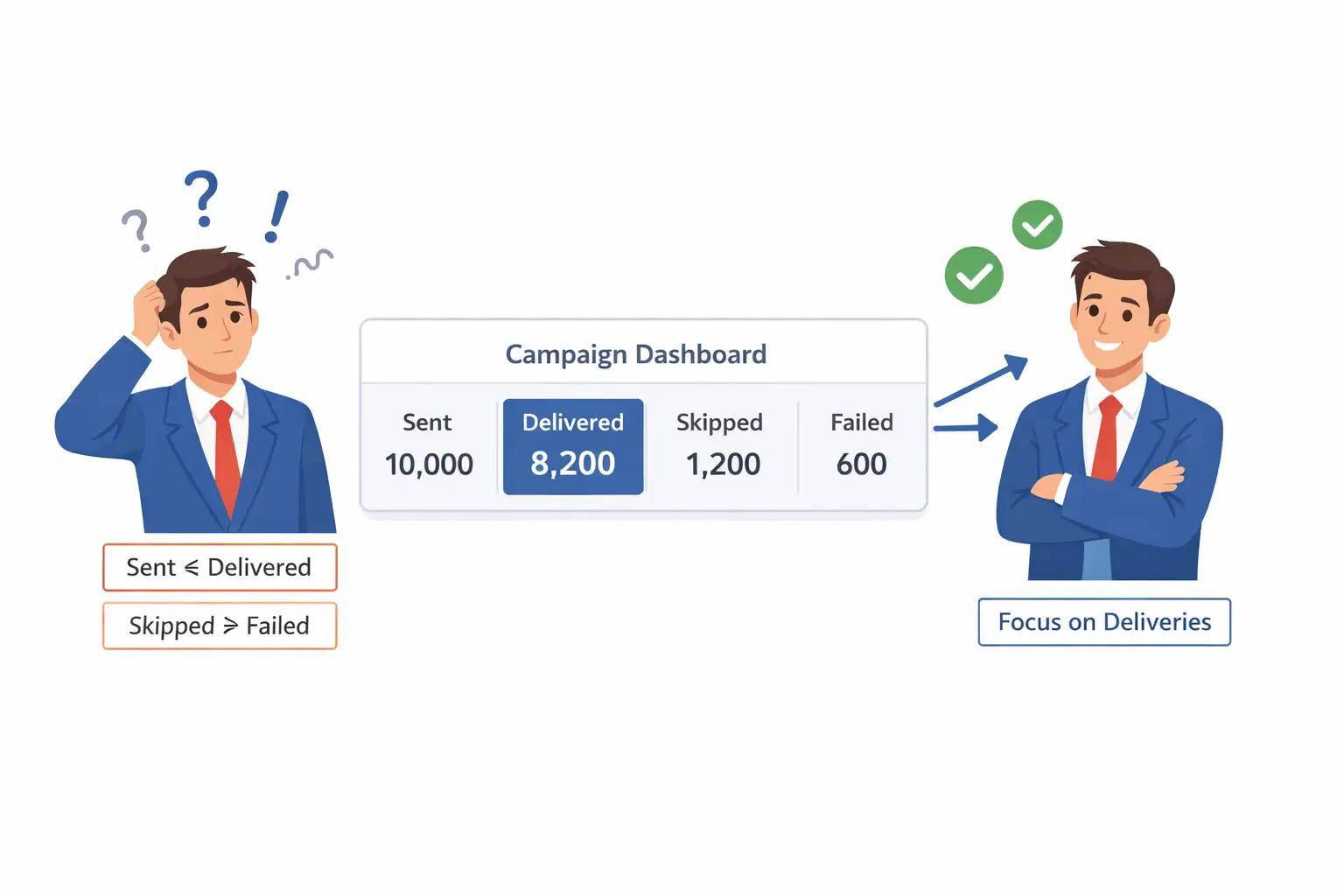
Low delivery does not always mean:
-
the system failed
-
messages were not sent
-
the provider made a mistake
Low delivery can happen because:
-
users blocked the number
-
content looked spammy
-
WhatsApp limited reach
-
campaign volume was risky
This is why refunds are usually linked only to system failure, not WhatsApp behavior.
Message Content Plays a Huge Role (Often Ignored)
Many businesses focus only on sending.
But what you send matters as much as how you send.
Messages that:
-
look repetitive
-
feel promotional
-
use fake urgency
-
are copied again and again
often get lower delivery.
This is explained clearly in
how message content impacts WhatsApp delivery rates.
If content triggers negative user reactions, refunds are not logical — because the system worked, but the content failed.
Why Cheap WhatsApp Campaigns Often Create Refund Problems
Refund disputes are more common with cheap WhatsApp marketing services.
Why?
Because cheap services often:
-
overload numbers
-
ignore safety limits
-
promise unrealistic results
-
hide delivery risks
This leads to blocks and low delivery, followed by refund demands.
That is why
cheap WhatsApp marketing leads to number blocks more often than stable systems.
What Refunds Usually Cover (And What They Don’t)
To be very clear:
Refunds may apply when:
-
the system failed to send messages
-
campaign was not executed at all
-
technical errors occurred
Refunds usually do NOT apply when:
-
WhatsApp limited delivery
-
users blocked or reported messages
-
content performed poorly
-
campaigns were risky by nature
This distinction is critical and often misunderstood.
How Structured Systems Reduce Refund Conflicts
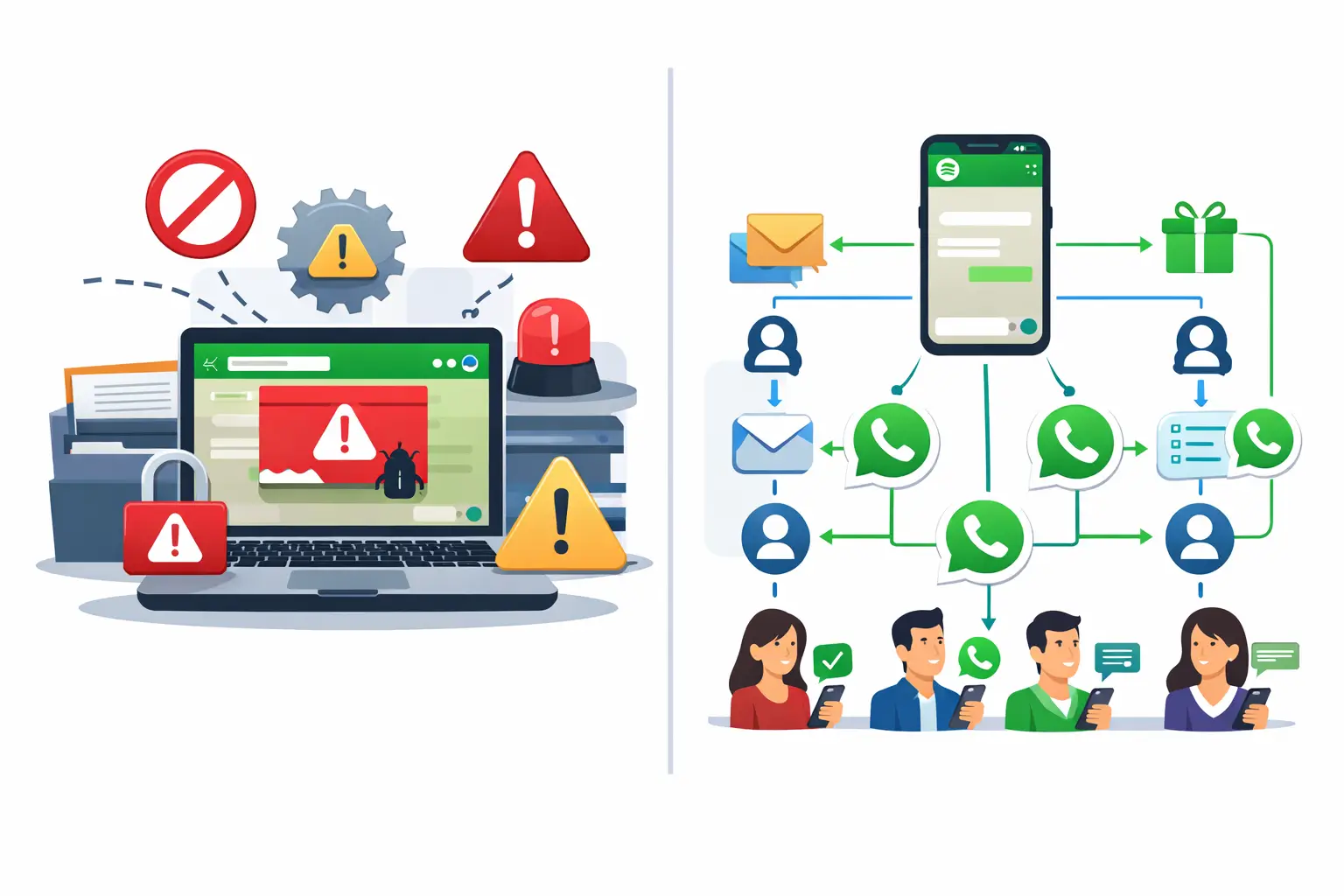
Modern systems focus on reducing risk, not promising perfection.
They use:
-
distributed sending
-
controlled message speed
-
structured campaign flow
This approach is explained in:
By setting realistic expectations upfront, refund disputes reduce significantly.
How MsgReach Handles Refund Reality Transparently
MsgReach follows a clear principle:
Refunds apply only if the system fails, not if WhatsApp limits delivery.
Why?
Because MsgReach:
-
does not control WhatsApp
-
does not promise guaranteed delivery
-
clearly explains delivery reality before campaigns
You can understand this delivery philosophy better through:
This honesty protects both businesses and providers.
What Businesses Should Ask Instead of “Will I Get a Refund?”
A better question is:
-
“How is risk reduced?”
-
“How is sending controlled?”
-
“What happens if WhatsApp limits delivery?”
Businesses that ask better questions face fewer disappointments.
FAQs: Refunds in WhatsApp Campaigns
Can any WhatsApp campaign guarantee refunds?
No. Refunds depend on system failure, not WhatsApp behavior.
Does low delivery always mean something went wrong?
No. It often means WhatsApp limited reach based on signals.
Can message content affect refund eligibility?
Yes. Poor or spam-like content is not a system issue.
Is WhatsApp API different for refunds?
APIs follow different rules but still cannot guarantee delivery.