WhatsApp Promotional Campaign Flow Explained: From Upload to Final Report
Many businesses think WhatsApp promotion is simple:
Upload numbers → send messages → done.
That belief is wrong.
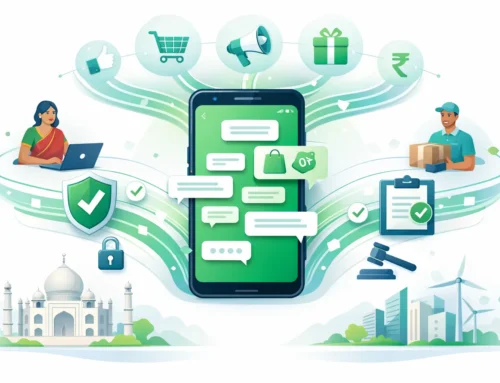
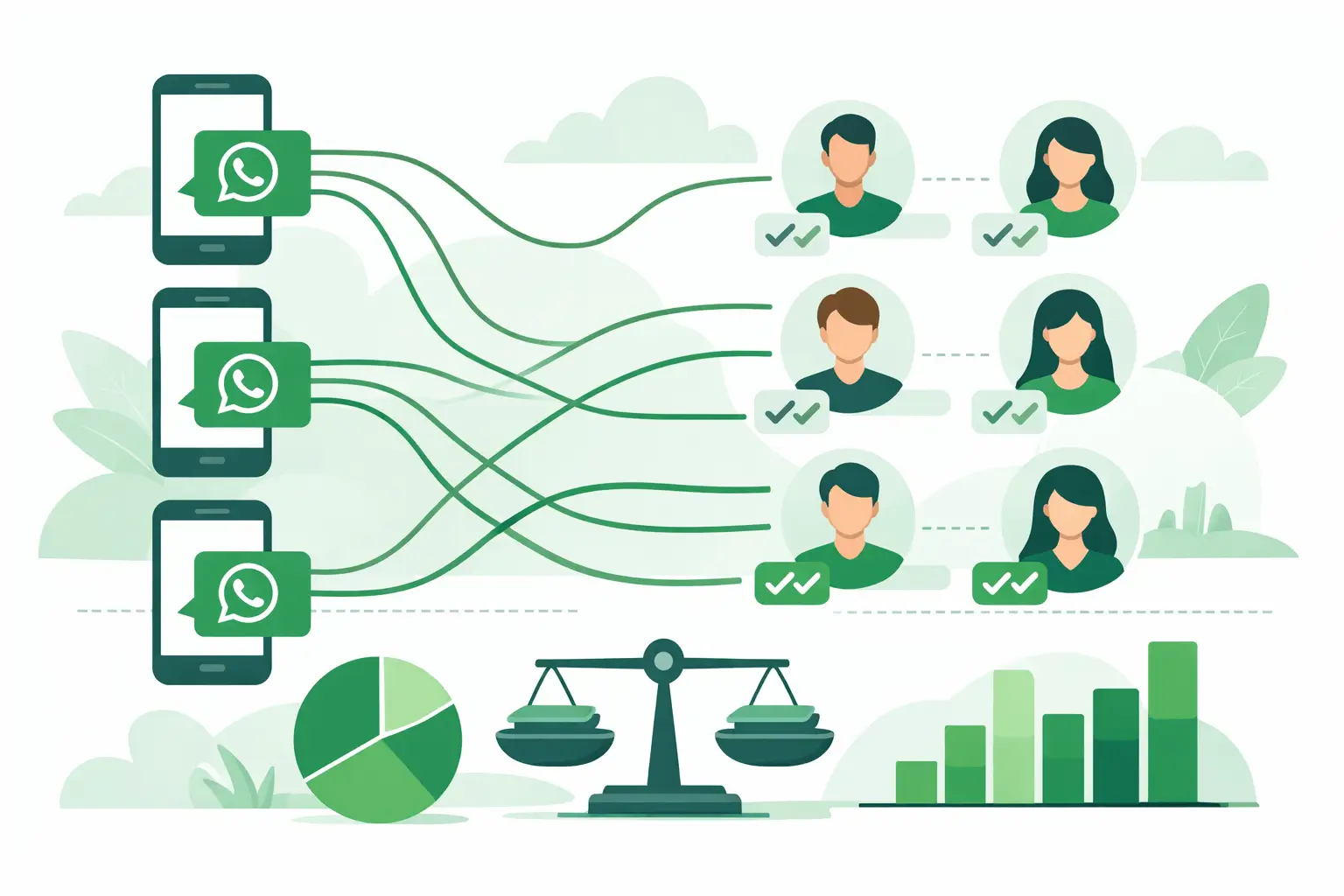
A real WhatsApp promotional campaign follows a clear flow, with multiple steps working together in the background. When you understand this flow, you stop making mistakes that cause delivery drops, wasted credits, or number issues.
This blog explains the complete WhatsApp promotional campaign flow, from the moment data is uploaded to the time you receive the final report—in simple language.
If you are new to this topic, first understand what bulk WhatsApp marketing is and how it works. This will help you see why each step in the flow matters.
Step 1: Uploading the Contact Data (Foundation Step)
Every WhatsApp campaign starts with data.
This usually includes:
-
Mobile numbers
-
Country codes
-
Optional name or city fields
What many people do wrong
They upload:
-
Old databases
-
Non-opt-in numbers
-
Random scraped contacts
This creates problems later in the flow.
Good campaigns start with clean and relevant data, which is why responsible platforms first educate users on how bulk WhatsApp messages should be sent properly instead of pushing instant sending.
Bad data breaks the flow before it starts.
Step 2: Message Creation and Content Review
Once data is uploaded, the next step is preparing the message.
This includes:
-
Message text
-
Links
-
Media (image, video, PDF)
What WhatsApp systems observe
-
Repetition
-
Aggressive promotional language
-
Same links sent repeatedly
Messages that feel forced or spam-like create risk signals early.
This is why effective campaigns follow principles explained in send WhatsApp mass messages that convert—clear, relevant, and user-focused messages perform better throughout the campaign flow.
Step 3: Campaign Configuration (The Most Ignored Step)
This step decides whether your campaign survives or fails.
Campaign configuration includes:
-
Sending speed
-
Messages per number
-
Time gaps
-
Distribution logic
Many failures happen here because users choose “fastest delivery” instead of safest delivery.
Modern systems follow controlled automation principles explained in WhatsApp marketing in 2025 and responsible automation.
Speed without control damages the entire flow.
Step 4: Distributed Sending Begins
Once the campaign starts, messages are not sent from one number.
Instead, professional systems use distributed sending, where:
-
Message load is shared
-
Each number sends limited volume
-
Sending looks natural
This protects the campaign from early failures and is one reason why many unsafe tools are exposed in the truth about bulk WhatsApp marketing services and what to avoid.
This step runs silently—but it is the backbone of the campaign.
Step 5: Live Monitoring During Delivery
While messages are being sent, the system continuously monitors:
-
Delivery success
-
Sending errors
-
Number health
-
Pause or slowdown triggers
This is where smart platforms differ from basic tools.
Advanced systems use logic similar to what is described in AI-powered WhatsApp bulk messaging in India to adjust delivery in real time instead of blindly continuing.
No monitoring = higher risk.
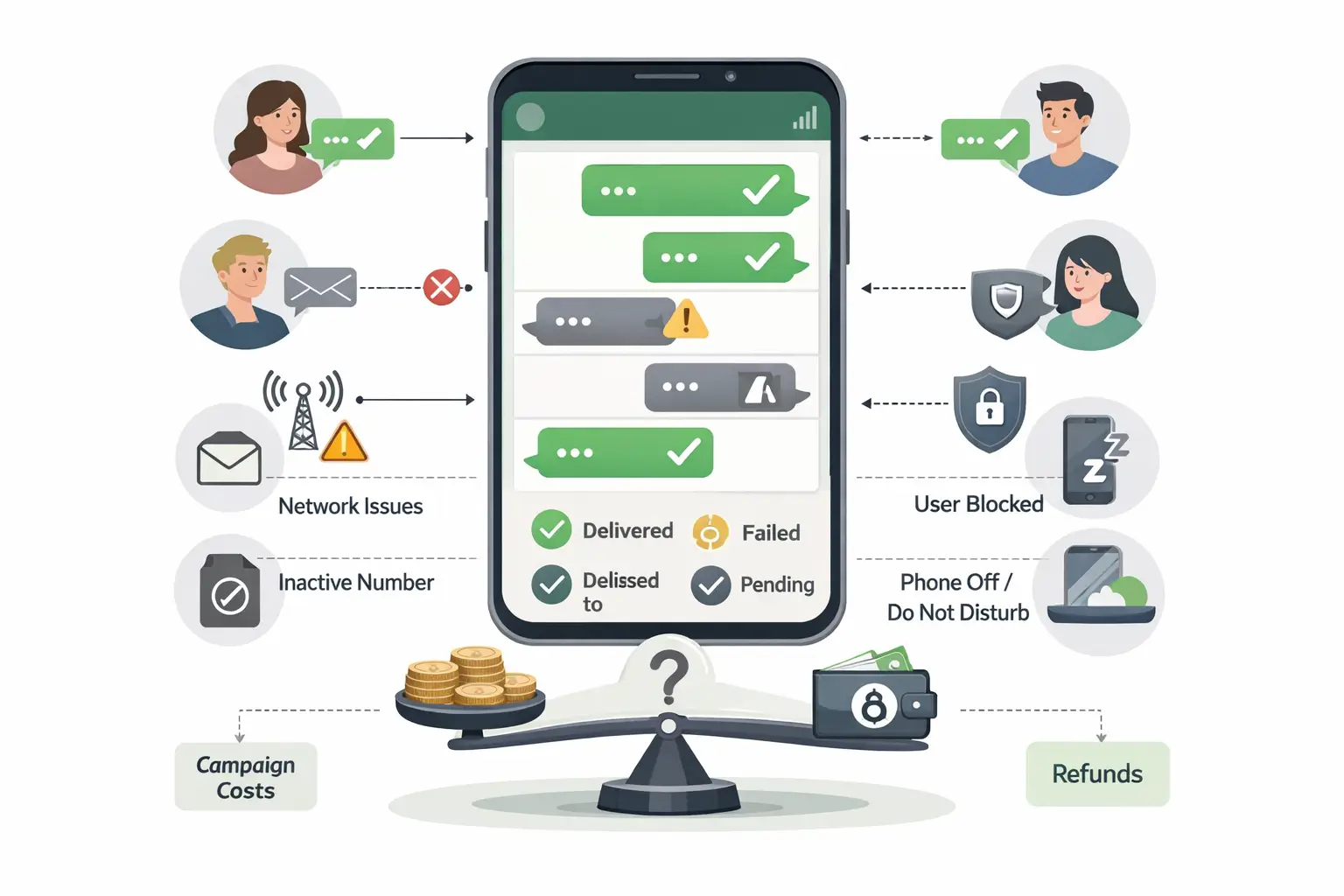
Step 6: Handling Number Issues Automatically
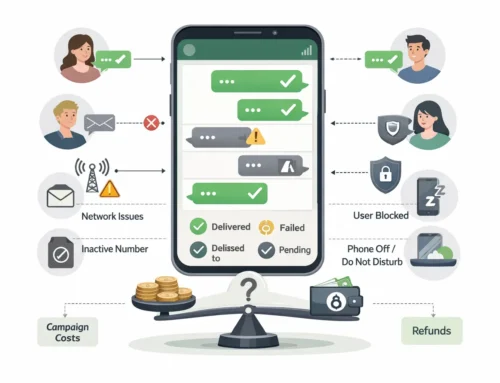
Not every number performs the same.
During a campaign:
-
Some numbers slow down
-
Some need rest
-
Some must be paused
Good systems isolate issues instead of letting them spread.
This isolation logic is one reason businesses scale safely, as explained in how businesses in India are growing 10x faster with WhatsApp marketing services.
One failing number should never kill the entire campaign.
Step 7: Campaign Completion and Cool-Down
After delivery finishes, professional systems:
-
Stop sending immediately
-
Cool down active numbers
-
Reset limits for future campaigns
Skipping this step increases risk for the next campaign, even if the current one succeeded.
This is why serious providers design campaigns as cycles, not one-time blasts—something you should evaluate when choosing a WhatsApp marketing service provider.
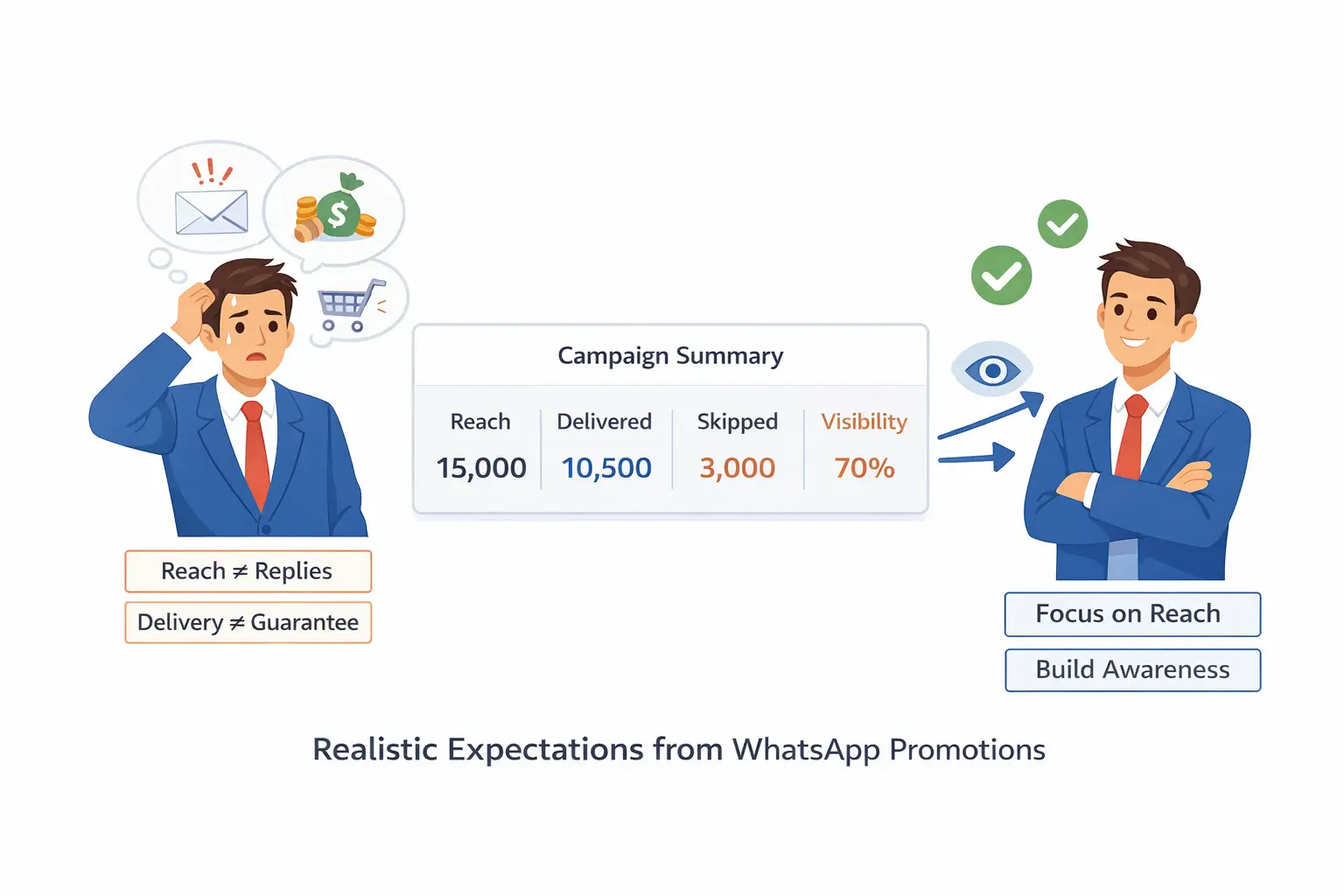
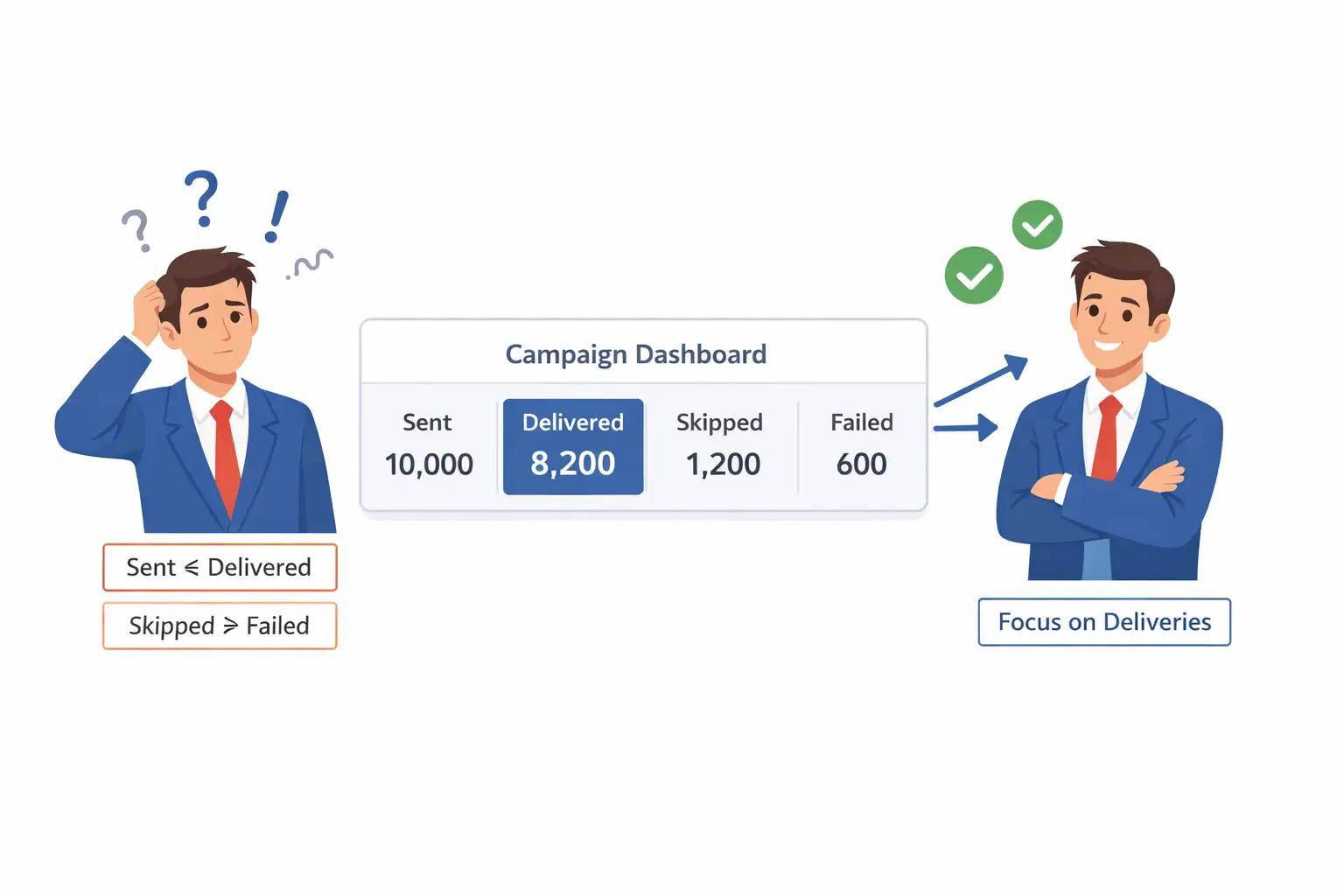
Step 8: Final Report Generation (What Really Matters)
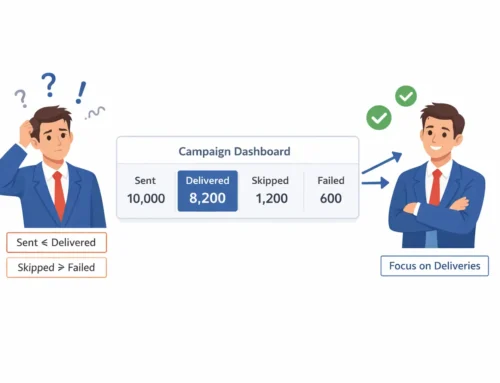
The final report is not just “sent” or “failed”.
A meaningful WhatsApp campaign report includes:
-
Total messages attempted
-
Successfully delivered messages
-
Failed numbers
-
Error reasons
-
Delivery percentage
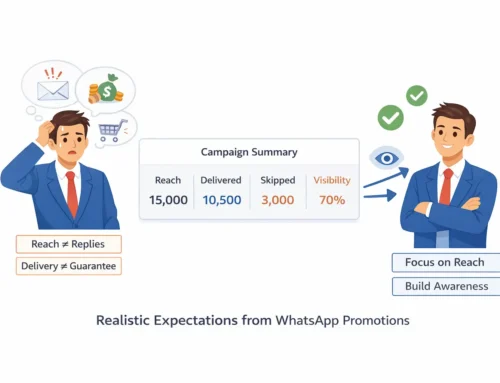
Understanding this report helps you improve the next campaign, not just judge the current one.
If your system only shows “sent count,” you are missing the most important part of the flow.
Why Location and Industry Context Matter in Reports
Reports must be interpreted with context.
For example, campaigns run in Mumbai or Bangalore often show:
-
Faster spam feedback
-
Lower tolerance
-
Higher competition
This does not mean the campaign failed—it means expectations must be realistic.
Common Mistakes That Break the Campaign Flow
Let’s correct common misunderstandings:
❌ Uploading data and sending immediately
❌ Ignoring configuration settings
❌ Sending everything from one number
❌ Not reading the final report
Campaign success is a process, not a button.
If you want to scale responsibly, study how to send 10,000 WhatsApp messages correctly instead of rushing.
Final Takeaway
A WhatsApp promotional campaign is not a single action.
It is a step-by-step flow.
From data upload to final reporting, every stage affects:
-
Delivery
-
Stability
-
Future performance
Platforms like MsgReach focus on managing this entire flow responsibly, using structured logic and experience from multiple industries through their expertise frameworks.
FAQs
Is uploading good data enough?
No. Configuration and delivery logic matter equally.
Why do some campaigns succeed and others fail?
Because the flow was respected in one and ignored in the other.
Is reporting really that important?
Yes. Reports guide safer future campaigns.
Can beginners manage this flow?
Yes—if the system handles complexity correctly.