How WhatsApp Detects Promotional Abuse: Volume, Patterns, and Signals
Many businesses start WhatsApp promotions and suddenly face delivery drops, blocked numbers, or campaigns stopping midway. This creates the false belief that WhatsApp randomly blocks promotional messages.
In reality, WhatsApp uses automated systems to detect promotional abuse patterns based on how messages are sent, how frequently they are sent, and how users respond to them.
If you are planning bulk campaigns without understanding these signals, campaign failure is very likely.
What Is Promotional Abuse on WhatsApp?
Promotional abuse happens when WhatsApp systems detect unnatural or risky sending behavior that looks more like spam than normal human communication.
This article explains WhatsApp promotional abuse detection, including how message volume, sending patterns, and user signals are monitored during promotional campaigns.
This usually occurs when businesses jump into promotions without first understanding
how bulk WhatsApp marketing works in real-world conditions.
WhatsApp promotional campaigns often fail due to delivery drops, blocked numbers, or sudden campaign stoppage. These issues usually occur because of WhatsApp promotional abuse detection, a system that analyzes message volume, sending patterns, and user behavior to identify risky promotional activity.
Why WhatsApp Closely Monitors Promotional Campaigns
WhatsApp is built for personal conversations. When users receive repetitive or unwanted promotional messages, they block or report the sender.
This is why many campaigns fail when businesses ignore
the common mistakes businesses make in bulk WhatsApp marketing,
even if the message content looks normal.
Signal 1: Message Volume Per Number
The strongest abuse signal is high message volume from a single WhatsApp number.
Sending large volumes from one number is risky, which is why guides explaining
how to send bulk WhatsApp messages safely instead of using one number
are critical for first-time campaign planners.
Signal 2: Sudden Volume Spikes
WhatsApp compares current activity with past behavior.
Many beginners fail after following advice about
sending very large WhatsApp message volumes in one click,
without understanding how such behavior triggers abuse detection.
Signal 3: Repetitive Message Patterns
When the same message is copied and sent repeatedly, WhatsApp systems detect automation patterns.
This is why marketers focus on
sending WhatsApp mass messages that are designed to convert,
rather than repeating identical promotional text.
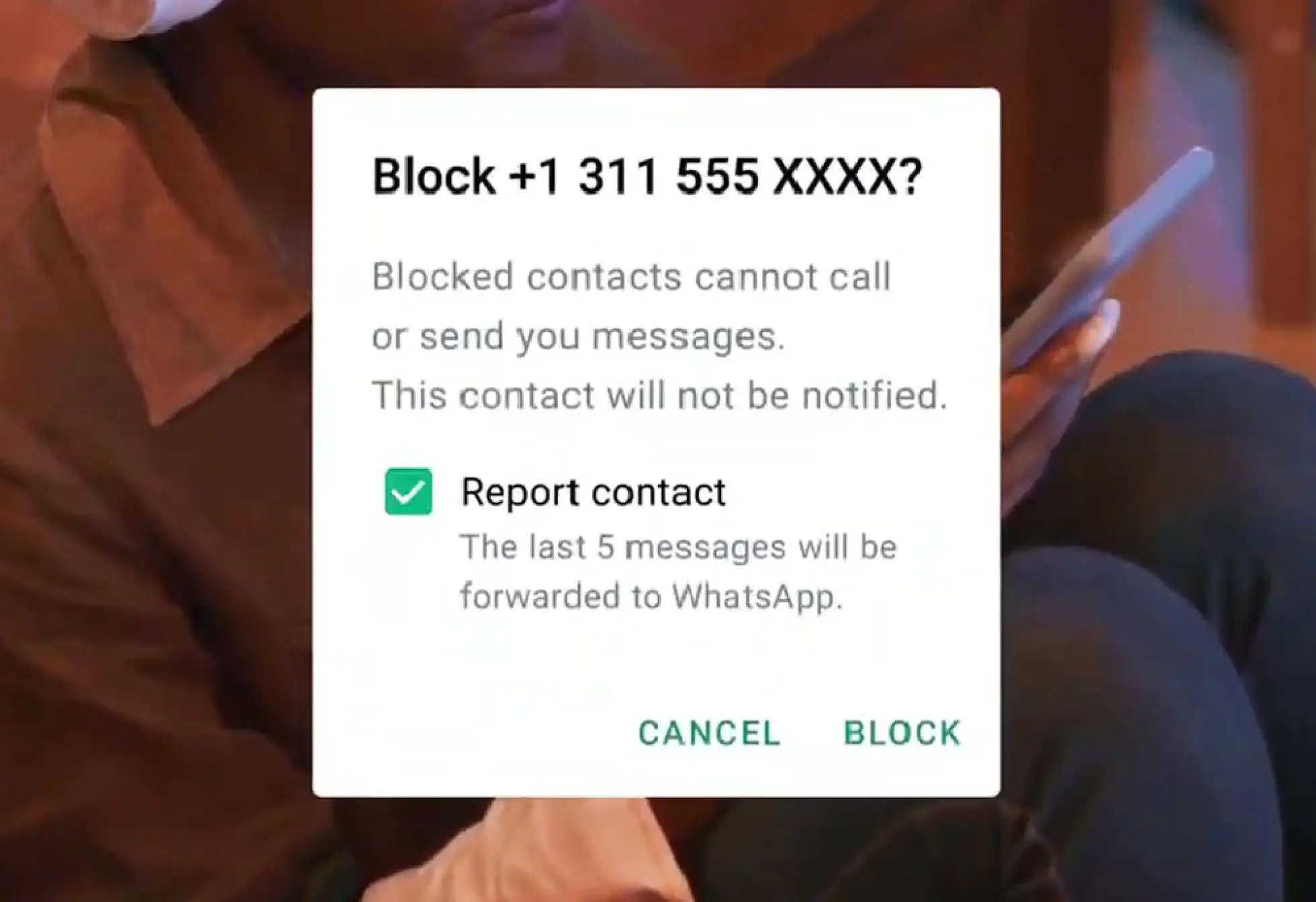
Signal 4: User Behavior (Blocks and Reports)
User reactions play a major role in abuse detection.
Poor targeting leads to negative feedback, which is why advanced campaigns rely on
AI-powered WhatsApp bulk messaging with smarter audience targeting.
Why Most Bulk WhatsApp Campaigns Fail
Most campaigns fail due to wrong assumptions and lack of planning.
These mistakes are common among businesses that do not first read
a simple guide explaining what WhatsApp marketing actually means for businesses.
How Distributed Sending Reduces Abuse Signals
Safer systems avoid sending all messages from one number.
Instead:
-
Messages are distributed across multiple numbers
-
Each number sends within controlled limits
-
Campaigns continue even if one number fails
This delivery approach is used by platforms like
MsgReach,
which focus on stability rather than aggressive blasting.
Why There Is No “100% Safe” WhatsApp Promotion
Any service claiming guaranteed safety is misleading.
This reality is already explained in
the truth about bulk WhatsApp marketing services in India,
where risks and limitations are discussed honestly.
What Businesses Should Focus On Instead
Successful campaigns prioritize structure, relevance, and gradual scaling.
This approach is reflected in
how Indian businesses are growing faster using structured WhatsApp marketing services.
Final Takeaway
WhatsApp does not block promotions randomly.
It detects:
-
High volume per number
-
Sudden activity spikes
-
Repetitive message patterns
-
Negative user reactions
-
Poor number history
Understanding these signals is more powerful than chasing shortcuts or tools.
Frequently Asked Questions (FAQs)
Is WhatsApp promotional messaging allowed?
Yes. Promotional messaging is allowed when it follows responsible sending behavior and respects platform limits.
Why do WhatsApp numbers get blocked during campaigns?
Blocks usually occur due to high volume, sudden spikes, repetitive messages, or poor user response.
Can I send bulk WhatsApp messages from one number?
Sending large volumes from a single number is risky and often triggers abuse detection.
Does message content alone cause blocking?
No. Blocking depends more on sending behavior and user reactions than message text alone.
Is WhatsApp API required for promotions?
WhatsApp API is one option, but delivery success mainly depends on campaign structure and behavior control.
Is there a fixed safe limit for sending messages?
No fixed limit exists. Safe sending depends on number history, pacing, and user response.