Many businesses use WhatsApp to share offers, updates, or announcements. But after sending promotional messages, they suddenly face a problem: their WhatsApp number gets blocked.
This usually happens without warning, which creates confusion and frustration. Many people assume blocks happen randomly, but that is not true.
WhatsApp blocks numbers based on behaviour, not luck.
If you are new to this space, it helps to first understand what WhatsApp marketing actually is and how businesses use it before running promotions.
What Does a WhatsApp Block Mean?
A WhatsApp block means WhatsApp has restricted a number from sending messages.
This block can be:
-
Temporary (most common)
-
Long-term (in repeated risky behaviour)
During a block:
-
Messages may stop going out
-
Campaigns may pause suddenly
-
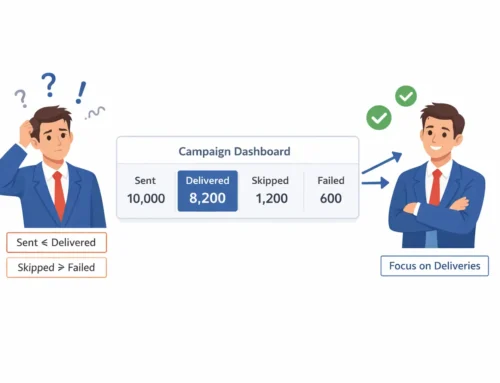
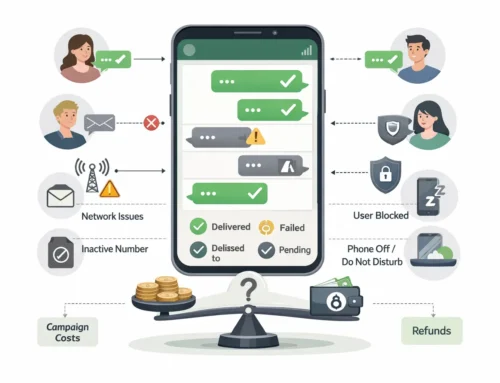
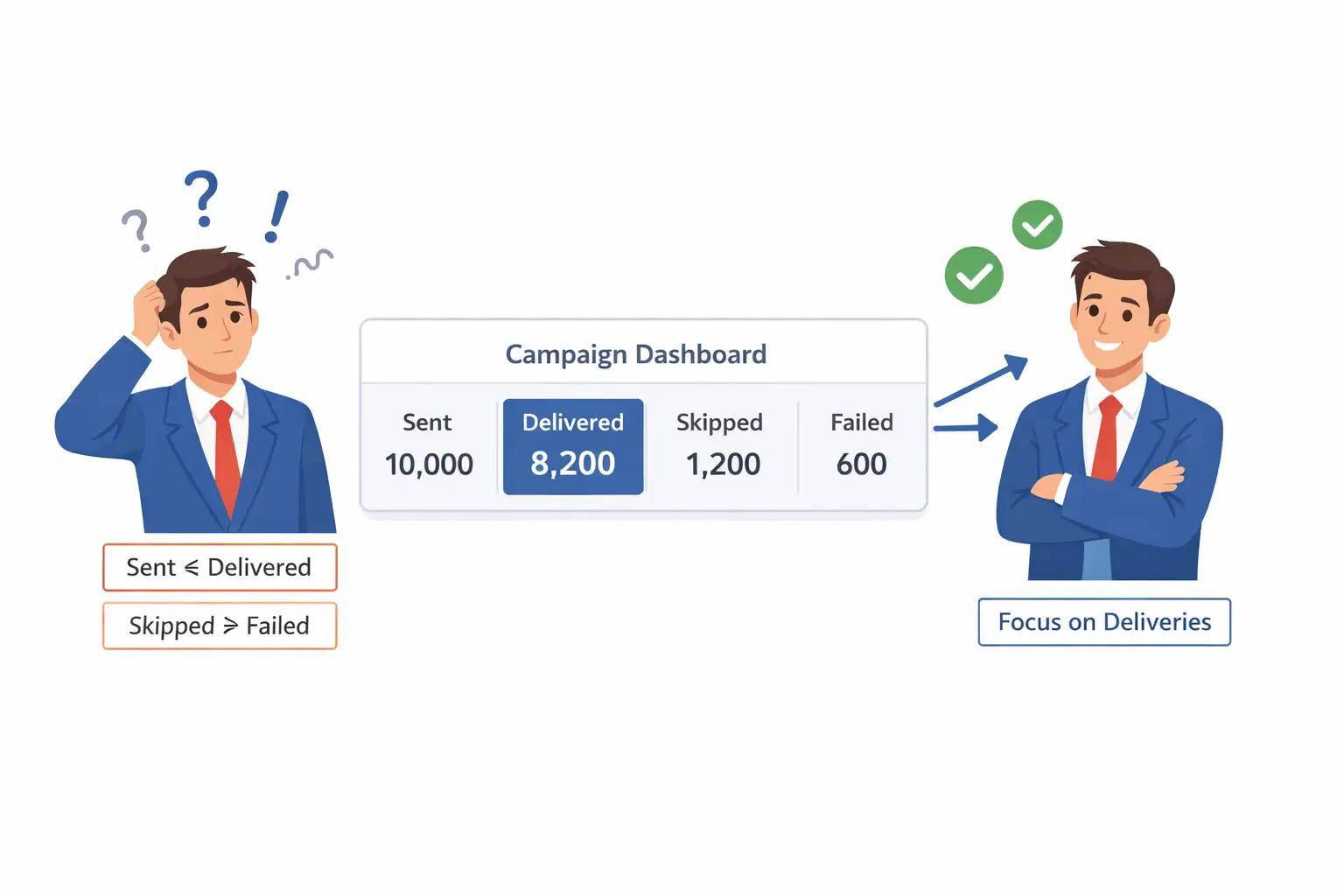
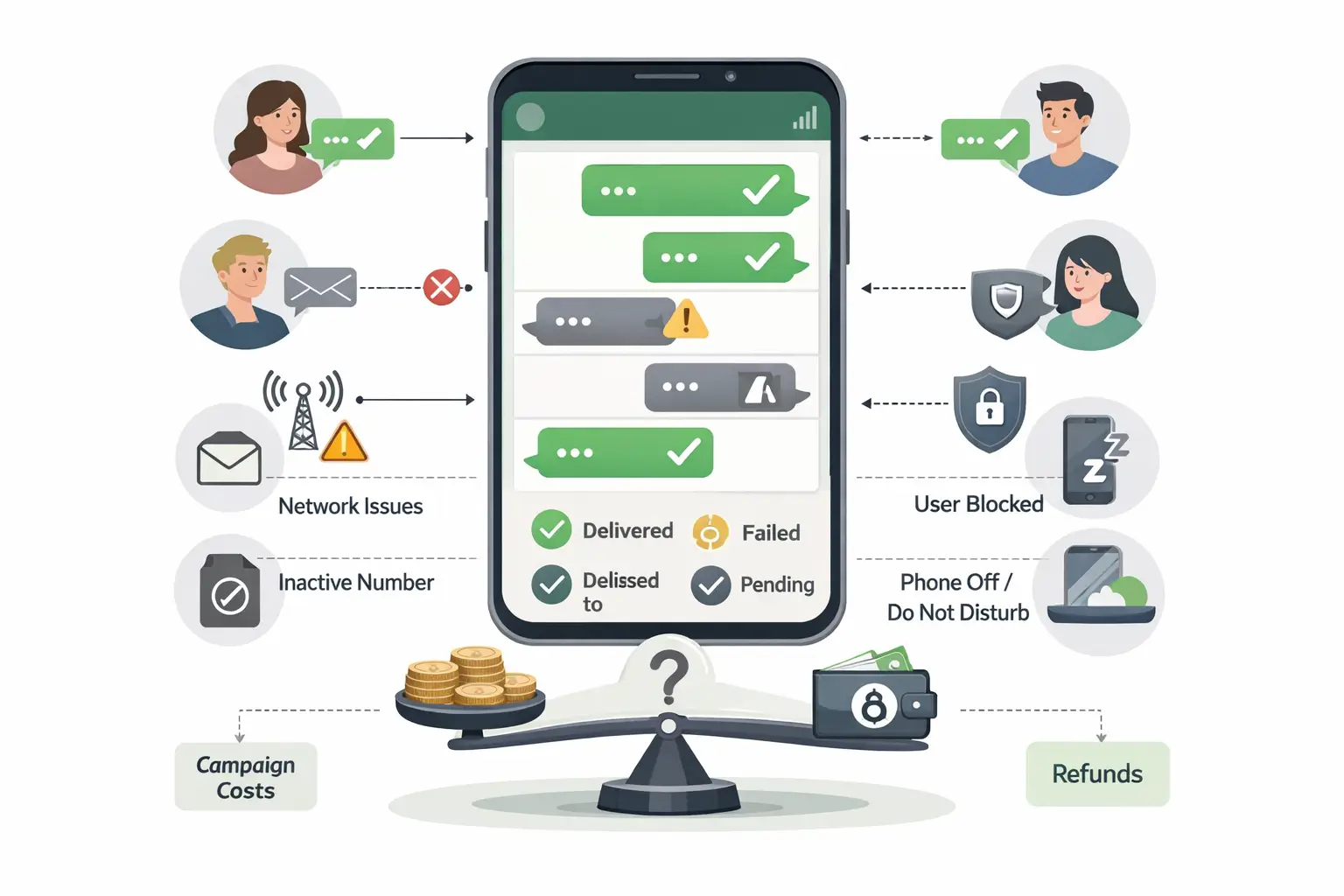
Delivery reports may show failures
Many businesses get confused when they see delivery issues. To understand this better, it is useful to know how bulk WhatsApp marketing works and how delivery is measured.
Why WhatsApp Blocks Promotional Numbers
WhatsApp is mainly designed for personal communication, not large-scale promotions.
When a number behaves very differently from a normal user, WhatsApp systems detect it.
WhatsApp mainly evaluates three things:
-
How many messages are sent
-
How messages are sent
-
How people react to those messages
When these signals cross internal limits, restrictions are applied automatically.
1. Sending Too Many Messages Too Fast
One of the most common reasons for blocks is sudden high message volume.
For example:
-
A number usually sends 20–30 messages per day
-
Suddenly sends hundreds or thousands of messages
This behaviour looks abnormal.
Many online guides talk about sending large volumes instantly, such as guides that explain how to send 10,000 WhatsApp messages in one click, but such approaches often increase the risk of blocks instead of improving results.
2. Sending the Same Message Repeatedly
Promotional campaigns usually send the same message to many people.
From WhatsApp’s system view:
-
Same text
-
Same links
-
Same format
-
Same timing
This repetition makes detection easy.
This is why blindly using bulk tools without understanding their risks often leads to problems, as explained in detail in the truth about bulk WhatsApp marketing services in India and what businesses should avoid.
3. Low Engagement and Negative User Actions
WhatsApp closely monitors how recipients react.
Risk increases when:
-
Messages are ignored repeatedly
-
Users block the sender
-
Messages are reported as spam
-
The number is not saved in contacts
Even a small number of negative actions can affect future delivery.
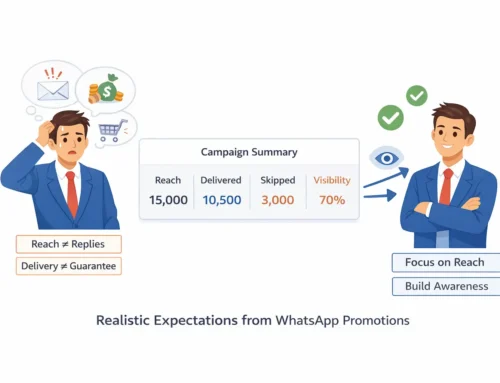
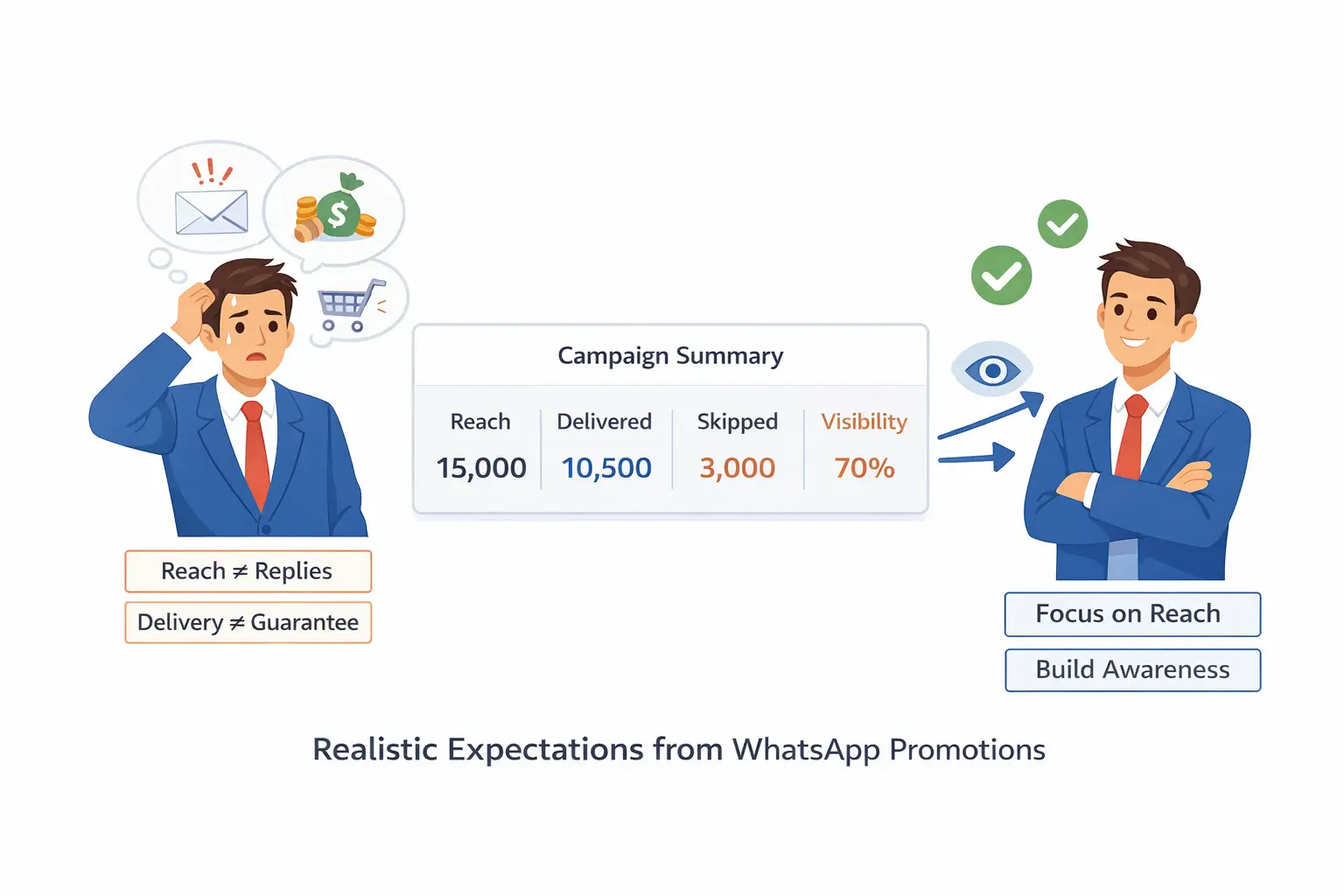
This is also why claims around “guaranteed conversions” should be treated carefully. Promotional WhatsApp campaigns are more about reach and awareness, not assured responses, which is discussed in articles like sending WhatsApp mass messages that convert.
4. Sending Messages to Cold or Unknown Contacts
Sending promotional messages to people who:
-
Do not know your business
-
Did not expect the message
-
Have never interacted with you
…greatly increases block risk.
Many businesses confuse automation with safety. Even advanced automation and remarketing setups, such as those discussed in WhatsApp marketing automation for 2025, still require careful control over behaviour and volume.
5. Using One WhatsApp Number for All Campaigns
A very common mistake is using one WhatsApp number for:
-
All promotions
-
All campaigns
-
All audiences
This concentrates all risk on a single number.
When that number gets blocked, everything stops.
System-based platforms like MsgReach approach this differently by structuring campaigns to reduce dependency on a single number instead of relying on simple software-based sending. You can explore how this approach works on the MsgReach platform.
Common Mistakes That Increase Block Risk
Businesses often increase risk without realising it by:
-
Running campaigns continuously without breaks
-
Retrying failed messages again and again
-
Using old or purchased contact lists
-
Trusting “no block” or “guaranteed delivery” claims
If you are selecting a provider, understanding these risks before choosing is important, which is why guides like how to choose the best WhatsApp marketing service provider for your business are useful to read.
Why Good Message Content Alone Is Not Enough
Many people believe:
“If my message is good, WhatsApp won’t block me.”
This is incorrect.
Even good content can face restrictions if:
-
Sent too frequently
-
Sent too fast
-
Sent from the same number repeatedly
Behaviour matters more than wording. This is also why delivery rates are never perfect in real campaigns, a topic covered further across the main MsgReach blogs section.
How Businesses Can Reduce Risk (Not Remove It)
No platform can honestly promise:
-
No blocks
-
100% delivery
-
Unlimited sending
Risk reduction focuses on:
-
Controlled sending
-
Load distribution
-
Monitoring delivery patterns
-
Pausing campaigns when failures increase
This realistic approach helps businesses avoid sudden disruptions and long-term damage.
What Businesses Should Accept Before Promotions
Before running WhatsApp promotions, businesses must accept:
-
Blocks can happen
-
Delivery is never 100%
-
Risk increases with scale
-
Aggressive tactics usually fail
WhatsApp works best for announcements, updates, and awareness, not as an unlimited broadcast channel.
Frequently Asked Questions (FAQs)
Is a WhatsApp block permanent?
Most blocks are temporary. Permanent blocks usually happen after repeated risky behaviour.
Can blocked WhatsApp numbers be recovered?
Sometimes yes, but recovery depends on past activity and behaviour patterns.
Does WhatsApp Business app prevent blocks?
No. Both Business and personal apps follow the same rules.
Does user consent guarantee safety?
No. Consent helps, but volume and behaviour still matter.
Can tools fully prevent WhatsApp blocks?
No. Any tool promising “no block” or “guaranteed delivery” should be avoided.
Final Conclusion
WhatsApp number blocks are not random. They happen because of how messaging behaviour looks at scale.
Businesses that understand this:
-
Plan better
-
Avoid panic
-
Reduce losses
Those who chase shortcuts eventually face repeated blocks and wasted effort.
To continue learning, the next step is understanding why WhatsApp campaign delivery is never 100% and how success should be measured realistically through proper reporting and expectations.